
Creating a home office that is both cozy and productive can make a significant difference in your work-from-home experience. A well-designed workspace helps you stay focused, comfortable, and motivated throughout the day. Whether you have a dedicated room or just a small corner, there are practical steps you can take to make your home office a pleasant place to work. Here are some helpful tips to get you started.
Choose the Right Location
Choosing the best spot in your home for your workspace is the foundation of a great home office.
– Natural Light: Select a space with plenty of natural light if possible. Natural sunlight helps improve mood and energy levels.
– Minimal Distractions: Find a quiet area away from TV noise, household chores, or high-traffic zones.
– Privacy: If you share your home, consider how much privacy you need for conference calls or focused work sessions.
Invest in Comfortable Furniture
Comfort is key to maintaining productivity and avoiding strain.
– Ergonomic Chair: Look for a chair that supports your back well and promotes good posture.
– Appropriate Desk: Depending on your work style, choose a desk at the right height and size.
– Adjustable Equipment: Use accessories like adjustable monitor stands or keyboard trays to customize your setup.
Organize Your Workspace
A neat and orderly workspace helps clear your mind and speeds up your workflow.
– Declutter Regularly: Keep your desk free of unnecessary items. Store supplies in drawers or organizers.
– Use Storage Solutions: Shelves, filing cabinets, or storage bins can help keep documents and office tools tidy.
– Cable Management: Use clips or covers to organize cords and prevent tangles.
Personalize Your Space
Adding personal touches makes your workspace inviting and cozy.
– Decorate Thoughtfully: Use artwork, photos, or plants to brighten your office.
– Use Soft Textiles: Consider a comfortable rug, throw pillow, or cozy blanket to add warmth.
– Choose Calming Colors: Soothing shades like blues, greens, or neutral tones create a relaxing atmosphere.
Optimize Lighting
Proper lighting helps reduce eye strain and creates an inviting environment.
– Layered Lighting: Combine natural light with task lighting (like desk lamps) and ambient lighting.
– Adjustable Brightness: Use dimmers or lamps with adjustable brightness to suit different tasks.
– Avoid Glare: Position screens and lamps to minimize reflections on your monitor.
Create a Routine and Boundaries
Setting clear work boundaries helps maintain productivity and work-life balance.
– Set Work Hours: Define a regular schedule to separate work time from relaxation.
– Wear Work Clothes: Dressing for work can mentally prepare you for a productive day.
– Designate Break Areas: Step away from your desk during breaks to refresh your mind.
Incorporate Technology Wisely
Using the right tech tools enhances efficiency.
– Reliable Internet: Ensure your internet connection is stable to avoid disruptions.
– Quality Headphones: Noise-canceling headphones help during calls or concentration.
– Useful Apps: Use productivity apps and calendar tools to stay organized.
Pay Attention to Air Quality and Temperature
A comfortable environment impacts your focus and well-being.
– Ventilation: Keep windows open when possible or use air purifiers.
– Consistent Temperature: Use fans or heaters to maintain a comfortable room temperature.
– Indoor Plants: Adding plants improves air quality and adds a calming touch.
Keep Healthy Habits in Mind
Your physical and mental health supports long-term productivity.
– Take Stretch Breaks: Move periodically to prevent stiffness.
– Stay Hydrated: Keep water nearby to stay refreshed.
– Mindfulness Practices: Short meditation or breathing exercises can reduce stress.
—
By combining these tips, you can create a home office that feels inviting and helps you work efficiently. Small changes can lead to big improvements, so start with what fits your space and lifestyle, adjusting your setup as needed. A cozy and productive workspace is within your reach!
Related Posts
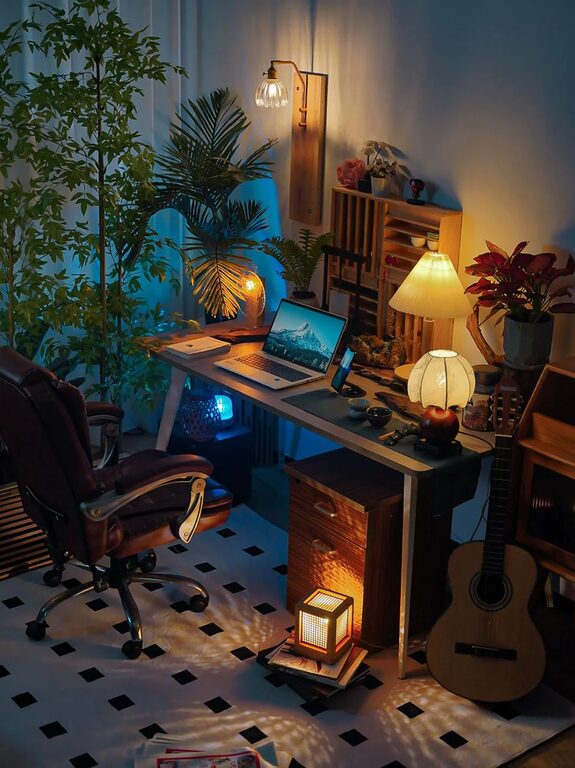
Tips for Creating a Cozy and Inviting Home Office Space
Creating a cozy and inviting home office space can make…

Tips for Creating a Cozy and Inviting Reading Nook at Home
Creating a cozy and inviting reading nook at home is…
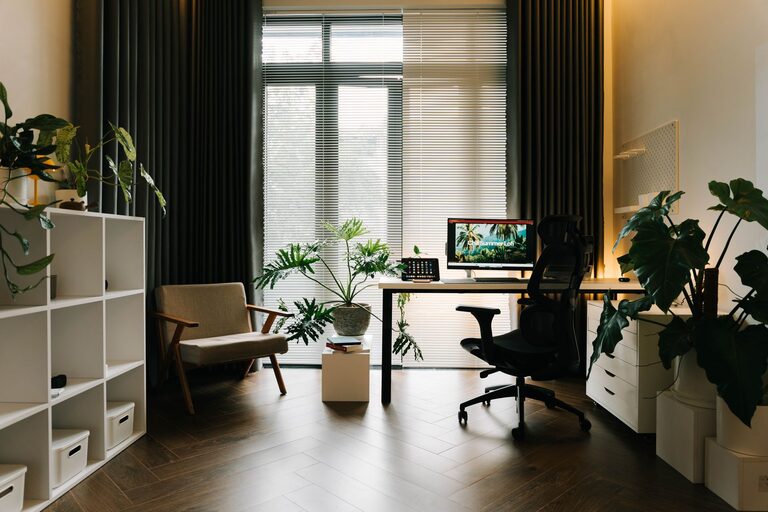
Tips for Creating a Cozy and Functional Home Office Space
Working from home has become a common part of life…